|
Level 3
GD&T - Advanced Applications and Analysis
Course Outline
|
|
Course Objective
|
To provide applied working knowledge of advanced GD&T
applications involving optimization strategies for given design
applications, manufacturing methodologies and measurement
planning.
|
|
Course Length |
2 Days (16-hours) |
|
What You Will Learn |
In-Depth Analysis & Implications of Advanced Principles |
|
|
-
MMC, LMC and RFS applied to datum
features of size
-
Multiple feature patterns used to define
a single datum, and negative implications of using
“non-functional” surfaces as datum features
-
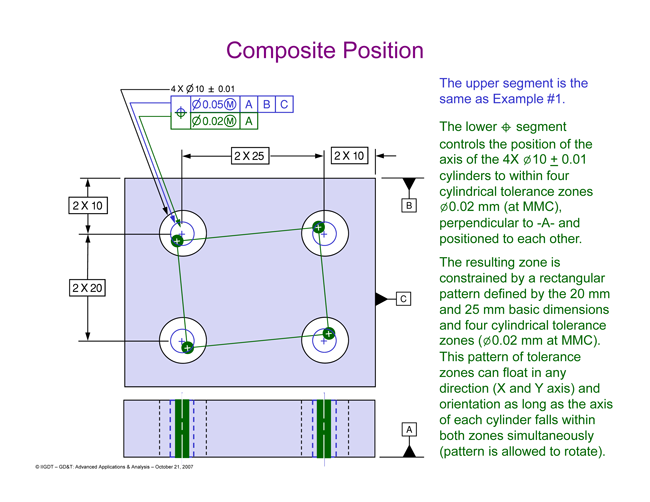
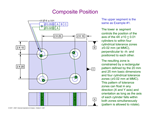
3D analysis of composite position
callouts, in relationship to multiple hole patterns defined
as a single datum
-
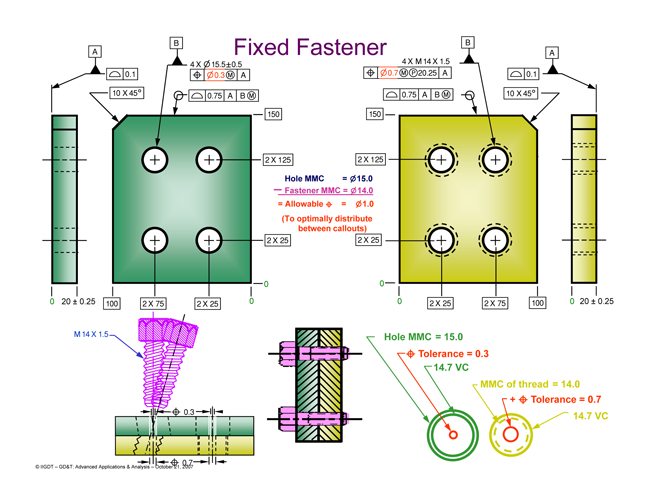
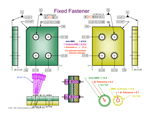
Calculations for determining allowable
position tolerance for floating and fixed fastener designs
-
Positioning holes and patterns of holes
at “zero tolerance” for optimizing manufacturability and
critical cost reductions
-
Positioning functional coaxial cylinders
from independent datum features -vs- to each other and
defined as compound datum features
-
Boundary principles used with profile for
non-cylindrical shapes
-
Mathematical definitions and implications
of ASME Y14.5.1M-1994
-
Surface roughness implications to
features of size and form constraints
|
|
|
Optimization Strategies in Applications & Analysis of Design, Manufacturing and Measurement |
|
|
-
Analysis and discussion of common error
implications of dimensioning and tolerancing of tooling and
functional gaging, based on product designs
-
Evaluate negative implications of common
incorrect measurement procedures on coordinate measuring
machines (CMMs) and discuss procedures to resolve / minimize
problems
-
Review and analyze “your” engineering
drawings and identify areas of negative financial
implications, address questions to provide
clarification/direction and make recommendations to optimize
design intent and achieve maximum ROI
|
|
|
Advanced Tolerancing Development within Y14.5 |
|
|
GD&T Implications to Corporate
Six-Sigma Initiatives and Product Reliability
|
|
Who Should Attend
|
Anyone requiring a greater understanding of GD&T from an
advanced applications perspective. Specifiers and decision
makers of engineering requirements and specifications as well as
specifiers of manufacturing processes, measurement applications
and statistical analysis. Engineers, designers, metrologists,
technicians, machinists, toolmakers, senior inspectors, senior
technicians, statisticians and mechanical engineers at all
levels.
|
|
Prerequisites |
GD&T Introduction & Fundamental Principles or equivalent
knowledge. It is critical that each individual reviews the
course content from the introductory course to ensure a positive
level of proficiency in all areas. If not proficient, it is
highly recommended that all individuals take or retake the
introductory course prior to the advanced course to ensure an
optimum and proficient level of understanding.
The
GD&T - Advanced Applications Course Outline
is available in PDF format.
|
|
|
Training Transformation |
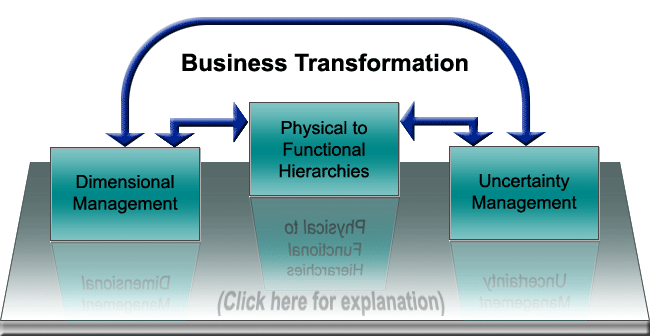
Business Transformation |
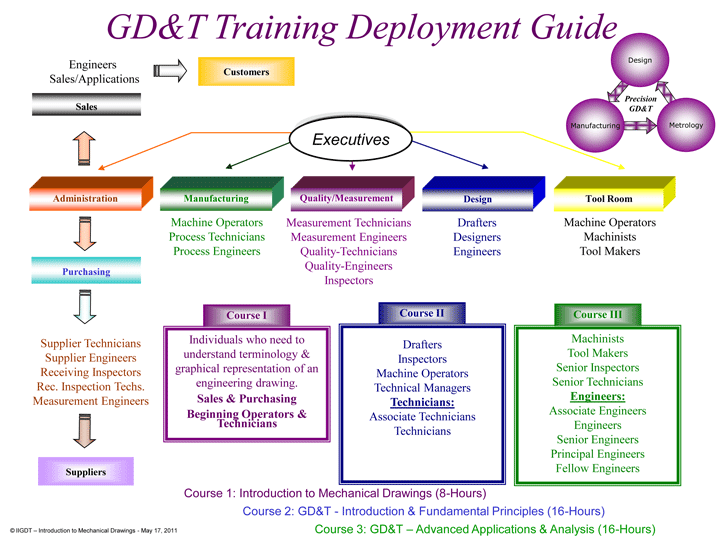
GD&T Training Deployment Guide |
 |
 |
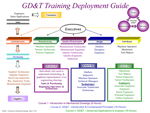 |
To read about the Training
Transformation, click here. |
To read about the Business Transformation, click here. |
|
|
|
Example Graphics from Course |
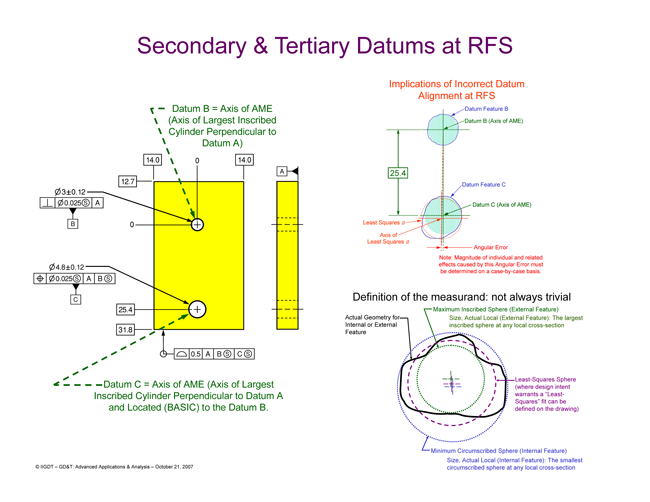
Secondary & Tertiary
Datums at RFS |
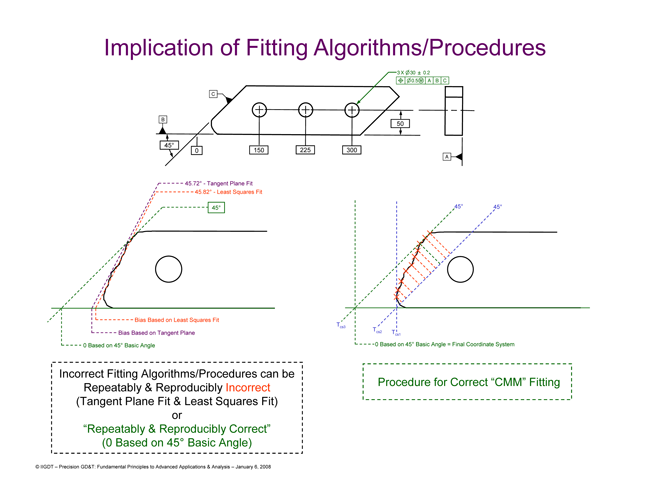
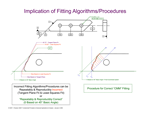
Implication of Fitting
Algorithms/Procedures |
|
|
 |
 |
|
|
|
|
|
Fixed Fastener |
Composite Position |
|
|
 |
 |
|
|
|
|
|
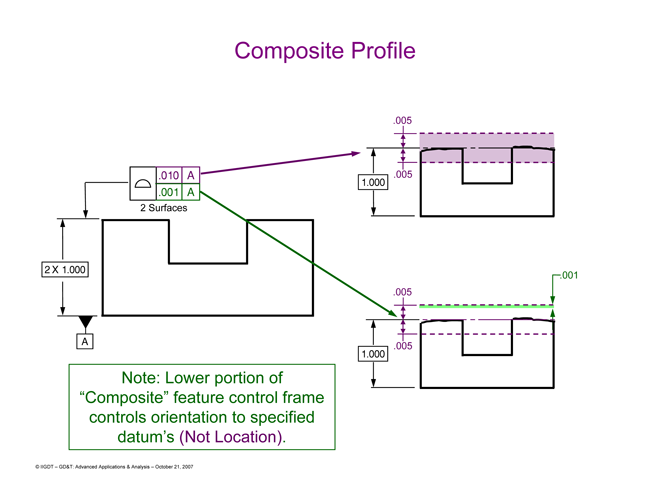
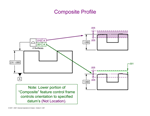
Composite Profile |
Composite Profile
Tolerancing |
|
|
 |
 |
|
|
|
|
|
Note :
 Click
on any image to zoom in. Click
on any image to zoom in. |
|